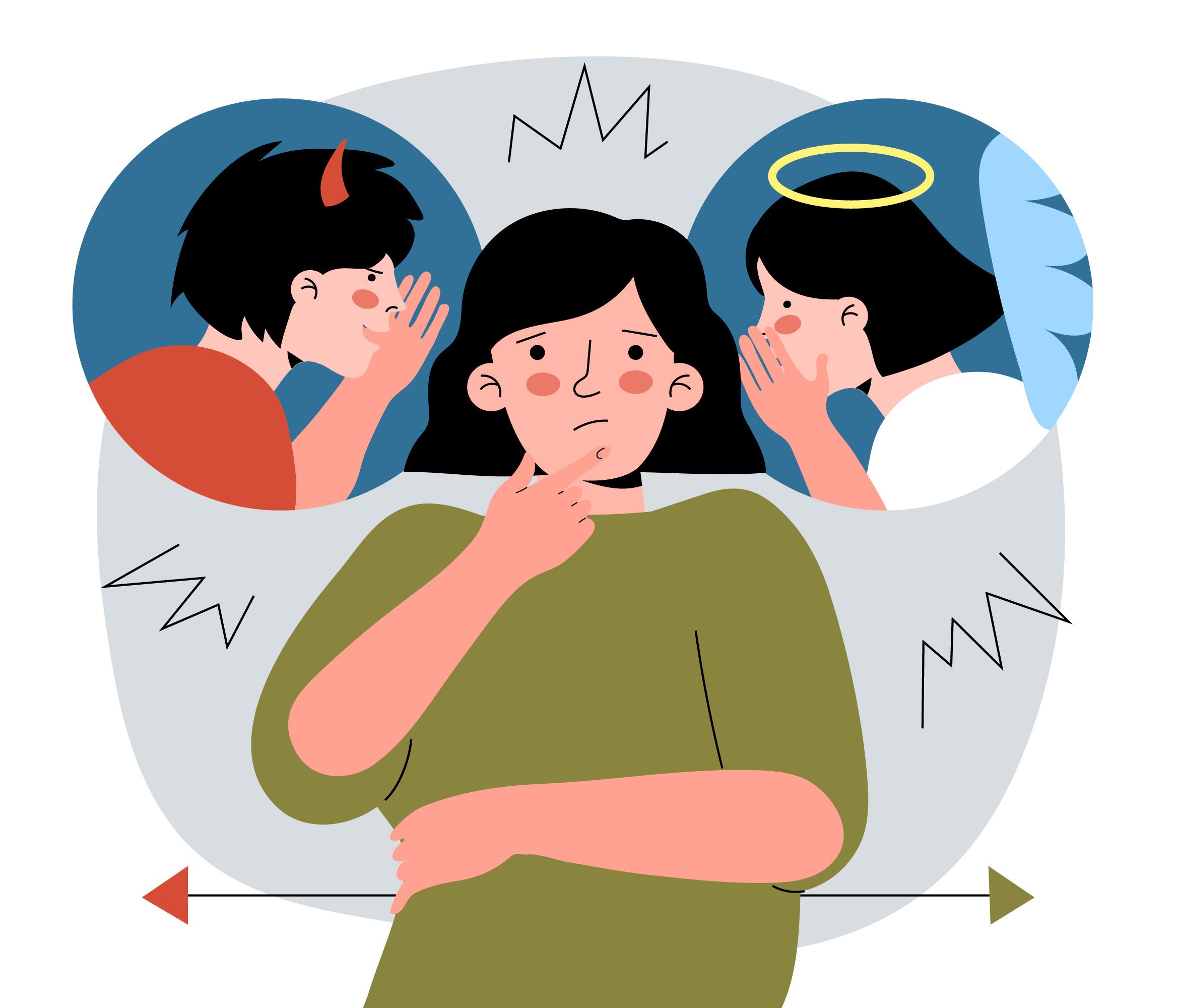
Have you ever walked into a room and felt like all eyes were on you, judging every move you made? This uncomfortable feeling is known as the spotlight effect. The spotlight effect is the tendency for people to overestimate how much others notice and judge their appearance, actions, or mistakes. It is a common psychological phenomenon because humans are naturally self-focused and see the world from their own perspective. As a result, we assume others are paying as much attention to us as we are to ourselves. For example, wearing a slightly mismatched outfit can feel embarrassing, even though most people barely notice.
Origin and Background
The concept of the spotlight effect did not emerge from casual observation but from scientific curiosity about human self-awareness. Psychologists Thomas Gilovich, along with his colleagues Victoria Medvec and Kenneth Savitsky, introduced the term in the late 1990s. They were interested in understanding why people feel so visible in social situations and why minor mistakes seem painfully obvious to the person who makes them. Through a series of experiments, they discovered that individuals consistently overestimate how much others notice their behavior or appearance. The basic idea behind the theory is simple yet powerful: because people are the center of their own experiences, they struggle to step outside their perspective. This egocentric viewpoint creates the illusion that a mental spotlight is constantly shining on them, even when others are largely preoccupied with their own thoughts and concerns.
Psychological Explanation
At the heart of the spotlight effect lies self-consciousness, a mental state where individuals become intensely aware of themselves and their behavior. When people feel self-conscious, their attention turns inward, magnifying every small detail about how they look or act. This inward focus is closely linked to egocentrism, a natural tendency in human thinking where individuals view the world primarily through their own perspective. Because people experience their thoughts and emotions so vividly, they assume others are equally aware of them.
In reality, most individuals are busy managing their own worries and impressions. This mismatch causes people to overestimate how much others notice their mistakes, appearance, or awkward moments. The mind essentially projects its own level of attention onto others, creating the illusion of constant observation. As a result, situations that feel humiliating or highly visible often pass unnoticed, except in the imagination of the person standing under the perceived spotlight.
Experiments Supporting the Spotlight Effect
Scientific research has strongly supported the idea of the spotlight effect through clever and revealing experiments. One of the most well-known studies is often called the “Barry Manilow T-shirt” experiment, conducted by Thomas Gilovich and his colleagues. In this experiment, participants were asked to wear a T-shirt featuring an image of the singer Barry Manilow—someone the participants believed their peers would find uncool. The participants then entered a room full of strangers and were later asked to estimate how many people noticed their shirt. While participants believed nearly half the group noticed it, in reality, only a small fraction actually did.
In a different variation of the experiment, participants wore T-shirts with embarrassing images. Once again, they dramatically overestimated how much attention others paid to their appearance. Across multiple studies, the key finding remained consistent: people assume their flaws are far more visible than they truly are.
These experiments reveal an important truth about human perception. Individuals are trapped inside their own point of view, making it difficult to accurately judge what others notice. The studies highlight how attention is limited and selective, and how people are far more focused on themselves than on scrutinizing others.
Examples of the Spotlight Effect in Everyday Life
The spotlight effect quietly influences everyday situations, often increasing anxiety without reason. In public speaking or classroom settings, students may fear that a small mistake, such as mispronouncing a word or forgetting a point, will be remembered by everyone. In reality, listeners are usually more focused on the overall message or on their own thoughts. Social media also intensifies the spotlight effect, as people worry excessively about how their photos, captions, or likes will be judged. A minor flaw in appearance can feel magnified, even though most viewers scroll past without much notice.
In the workplace, employees may believe that coworkers are closely observing their every move, from a presentation error to an awkward comment during a meeting. Similarly, in social interactions, people often replay conversations in their minds, assuming others noticed their nervousness or clumsiness. Making a mistake in public, such as tripping or spilling something, can feel humiliating, yet bystanders usually forget the incident within moments. These everyday examples show how the spotlight effect exaggerates self-awareness and creates unnecessary pressure in ordinary life.

Positive and Negative Impacts of the Spotlight Effect
Negative Impacts
- Avoidance of opportunities: People may avoid speaking in public, trying new activities, or taking risks because they fear being noticed or judged by others.
- Reduced confidence: Constantly believing that others are observing flaws can lower self-esteem and make individuals doubt their abilities.
- Connection to social anxiety: The spotlight effect can intensify social anxiety by creating the illusion of constant scrutiny in social situations.
- Fear of judgment and embarrassment: Small mistakes feel exaggerated, leading to a persistent fear of being embarrassed or negatively evaluated.
- Stress, overthinking, and self-doubt: Replaying interactions and worrying about others’ opinions can cause mental exhaustion and chronic self-doubt.
- Encourages self-awareness: The spotlight effect can make individuals more conscious of their behavior and social presence.
- Can motivate self-improvement: Believing one is being observed may encourage people to improve skills, manners, or presentation in constructive ways.
Overcoming the spotlight effect begins with intentionally shifting focus outward rather than inward. Instead of obsessing over how you appear, try paying attention to the environment, the conversation, or the people around you. This simple shift reduces self-consciousness and reminds you that others are not fixated on you. Another effective strategy is reality-checking your thoughts. Ask yourself whether there is real evidence that people noticed or judged you, or if your mind is exaggerating the situation. Often, you will realize these fears are based on assumptions rather than facts.
Practicing self-compassion is equally important. Accept that making mistakes is a natural part of being human, and treat yourself with the same kindness you would offer a friend. Finally, exposure and confidence-building strategies can significantly weaken the spotlight effect. Gradually placing yourself in situations you normally avoid, such as speaking up in a group or trying something new—helps you learn that feared outcomes rarely occur. With repeated exposure, confidence grows, and the imagined spotlight slowly fades into the background.
Conclusion
Understanding the spotlight effect can be especially empowering for seafarers, whose lives often unfold in close quarters and high-pressure environments. Working at sea means living and working alongside the same people for long periods, which can easily create the feeling of being constantly observed or judged. Recognizing that this feeling is often an illusion helps reduce unnecessary stress and self-criticism. Encouraging self-acceptance is essential in such settings. No one on board is flawless, and mistakes are part of learning, teamwork, and professional growth. By accepting themselves with their strengths and imperfections, seafarers can build confidence and resilience. Letting go of the imagined spotlight allows individuals to focus on their duties, relationships, and well-being rather than fear of judgment. Ultimately, self-acceptance fosters a healthier mindset, stronger cooperation, and a more positive experience at sea, reminding seafarers that they are respected for their efforts, not judged for every small flaw.