Self-discipline isn’t about being harsh on yourself, it’s about choosing what truly matters over what feels good in the moment. It shows up when you delay gratification, stay consistent, and keep going even when motivation fades. Unlike motivation, which comes and goes, self-discipline is a steady system, one that quietly drives progress long after inspiration disappears.
Psychological Foundations
- a) The Brain Behind Discipline
Self-discipline begins in the mind, shaped by two powerful systems working against each other. The prefrontal cortex handles planning, decision making, and impulse control. It is the rational voice that reminds you of long-term goals. The limbic system, on the other hand, seeks pleasure and reacts to emotions and cravings. When you choose to stay focused instead of giving in to distractions, you are letting the prefrontal cortex take charge. In simple terms, discipline is the brain’s ability to pause, evaluate, and override instant urges in favor of meaningful outcomes.
- b) Delayed Gratification
One of the most famous insights into discipline comes from the Stanford Marshmallow Experiment. Children were given a choice between eating one marshmallow immediately or waiting to receive two later. Those who managed to wait often showed better academic performance, healthier habits, and stronger emotional control as they grew older. The lesson is simple but powerful. The ability to delay rewards strengthens self-discipline. It trains the mind to prioritize future benefits over present comfort. Every time you choose patience over instant pleasure, you reinforce this psychological skill.
- c) Habit Loop (Behavior Psychology)
Much of what we call discipline is actually driven by habits. According to behavioral psychology, habits follow a simple loop of cue, routine, and reward. For example, stress can act as a cue, leading to the routine of scrolling through Instagram, which provides the reward of temporary relief. This cycle repeats until it becomes automatic. True discipline lies in recognizing these patterns and reshaping them. Instead of reacting unconsciously, you can replace the routine with a healthier response while keeping the same reward. Over time, these rewiring transforms discipline from effort into instinct.
- d) Ego Depletion
For a long time, self-control was believed to work like a muscle that gets tired with use. This idea, known as ego depletion, suggested that the more decisions you make, the weaker your discipline becomes. However, modern research paints a more nuanced picture. It shows that belief systems, energy levels, and environment play a bigger role than sheer willpower. Discipline does not simply run out. It can be strengthened through supportive routines and smart systems. When you design your surroundings to reduce temptation, discipline becomes easier and more sustainable.
Why Self-Discipline Matters
- a) Long-Term Success
Self-discipline is the quiet force behind every meaningful achievement. While talent may open doors, discipline is what keeps them open. In academics, it shows up as consistent study rather than last-minute cramming. In careers, it is the ability to stay focused and deliver even when motivation fades. In fitness and finance, it is choosing small, repeated actions that compound over time. Success is rarely a single big moment. It is built through daily choices, and self-discipline ensures those choices align with your long-term goals instead of short-term comfort.
- b) Emotional Stability
Self-discipline is not just about actions; it shapes how you respond to life itself. When you develop control over impulses, you pause before reacting. This reduces rash decisions driven by anger, stress, or fear. Instead of being overwhelmed, you learn to process emotions with clarity. Discipline helps you handle pressure without collapsing under it. It creates a sense of inner balance where you are not constantly pulled by every feeling or distraction. Over time, this leads to stronger resilience and a calmer, more grounded mindset.
- c) Freedom (Paradox)
It may seem counterintuitive, but discipline actually creates freedom. When you manage your money wisely, you gain financial independence instead of living paycheck to paycheck. When you control your time, you create space for what truly matters instead of feeling constantly busy. Discipline removes chaos and replaces it with structure. This structure reduces stress and opens up choices. Without discipline, life feels reactive and limited. With it, you gain control over your direction. In the end, discipline is not restriction, it is the pathway to a more flexible and fulfilling life.
Key Psychological Principles
- a) Identity-Based Discipline
Lasting discipline begins with how you see yourself. If you tell yourself, “I want to study more,” it remains a wish. But when you shift to “I will complete at least one chapter,” it becomes a clear action tied to identity. You are no longer someone hoping to improve, you are someone who follows through. Behavior naturally aligns with identity. Each small promise you keep strengthens that identity further. Over time, discipline stops feeling forced and starts feeling natural, because you are acting in a way that matches who you believe you are becoming.
- b) Environment Over Willpower
Relying on willpower alone is exhausting and unreliable. Your environment quietly shapes your behavior far more than you realize. Instead of constantly fighting distractions, remove them before they become a problem. If your phone pulls your attention, keep it out of reach while studying. If unhealthy snacks tempt you, do not keep them nearby. Discipline becomes easier when the right choice is also the easiest choice. By designing your surroundings intentionally, you reduce the need for constant self-control and create a space that supports focus and consistency.
- c) Small Wins and Dopamine
The brain thrives on progress, not perfection. Every time you complete a task, even a small one, your brain releases dopamine, a chemical linked to motivation and reward. This creates a sense of satisfaction that encourages you to keep going. When tasks feel too big, starting becomes difficult. But breaking them into smaller steps builds momentum. One small win leads to another, and gradually discipline begins to grow. Instead of waiting for motivation, you create it through action. Progress, no matter how small, becomes the fuel that drives consistent effort.
- d) Implementation Intentions
Discipline often fails in moments of uncertainty. Implementation intentions solve this by deciding your response in advance. It follows a simple structure: “If X happens, I will do Y.” For example, if you feel lazy, you commit to studying for just five minutes. This removes hesitation and makes action automatic. Instead of debating with yourself, you follow a pre-made decision. These mental plans act like shortcuts, guiding your behavior even when motivation is low. Over time, they reduce procrastination and make disciplined actions easier to repeat consistently.
[caption id="attachment_62395" align="alignnone" width="300"] Businessman character showing different social roles. Work, family, leisure. Can be used for topics like activity, lifestyle, multitasking[/caption]
Common Myths
- “Discipline means being harsh on yourself”
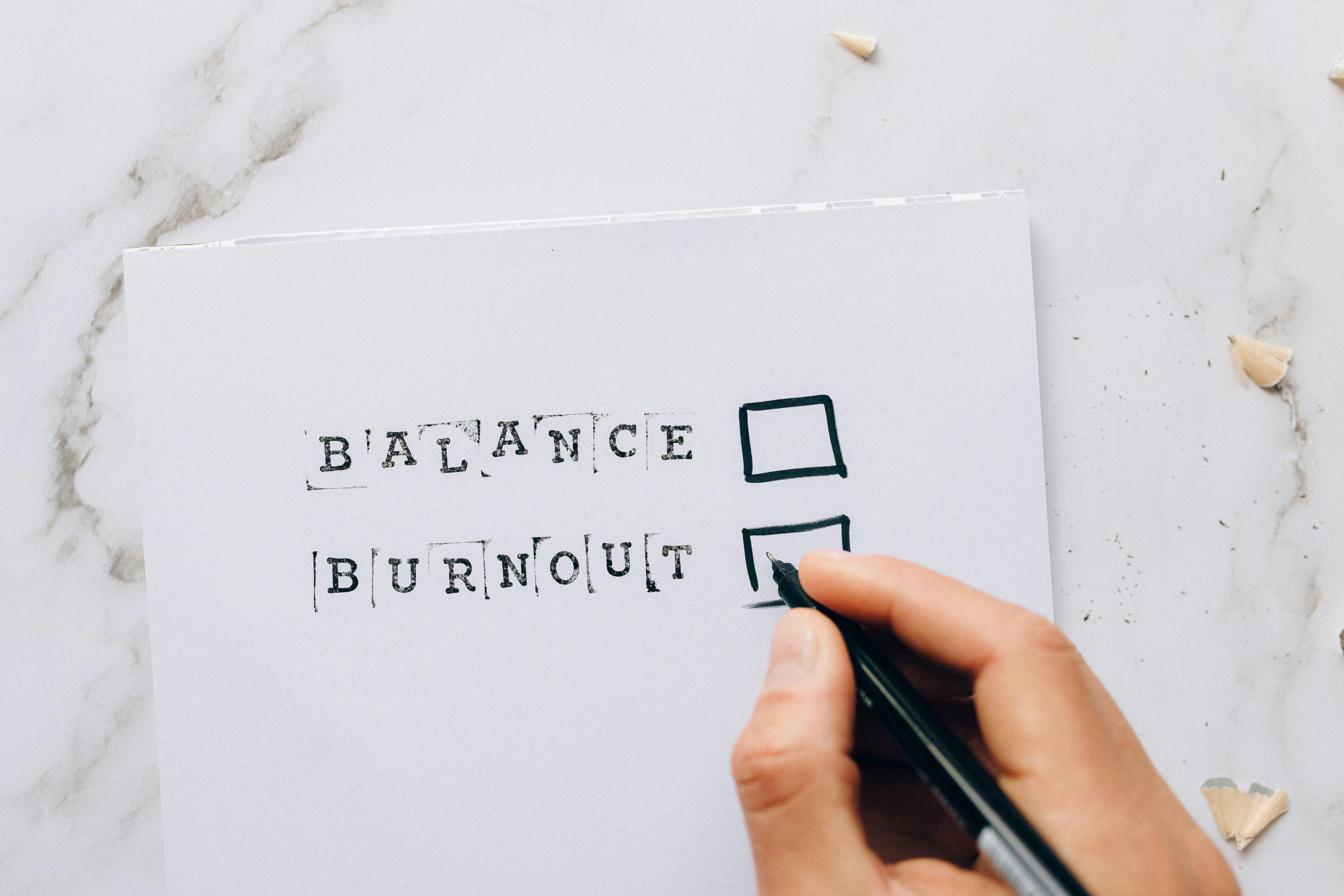
Many people imagine discipline as strict routines, constant pressure, and zero room for mistakes. In reality, true discipline is not about punishment, it is about structure. For example, a student who plans study hours and takes short breaks is more disciplined than someone forcing themselves to study for hours without rest. Harshness often leads to burnout, while structure creates consistency. Discipline is about guiding yourself, not controlling yourself through fear. When you approach it with balance, it becomes sustainable and far more effective in the long run.
- “Some people are born disciplined”
It is easy to look at highly successful individuals and assume they were naturally disciplined from the start. The truth is, discipline is a learned behavior built over time. For example, an athlete does not wake up one day with perfect habits. They develop routines through practice, failure, and repetition. What looks like natural discipline is actually the result of consistent effort and training. Anyone can build it by starting small and staying consistent. It is not a fixed trait, but a skill that grows stronger with use.
- “You need motivation first”
A common belief is that you must feel motivated before taking action, but this often leads to endless waiting. In reality, action creates motivation, not the other way around. For example, someone who starts exercising for just five minutes often feels more energized and continues longer. The hardest part is simply starting. Once you take the first step, momentum builds naturally. Discipline is about acting despite low motivation. When you rely on action instead of waiting for the perfect feeling, you create a cycle where progress fuels further motivation.
Practical Techniques
Building self-discipline becomes easier when you keep it simple and consistent. Each day, focus on one or two important tasks instead of overwhelming yourself with long to-do lists. Use time blocking to assign specific hours for focused work.
On a weekly level, track your habits to see your progress and reflect on what did not work, without being harsh on yourself. The goal is improvement, not perfection.
Helpful tools can make this process smoother. Habit trackers give you a clear visual of consistency, journaling helps you understand your patterns, and having an accountability partner keeps you committed. Small, steady actions create lasting discipline.
Conclusion:
Self-discipline isn’t about perfection or constant control. It is about making small, intentional choices that shape your future. Every decision, no matter how minor, adds up over time. In the end, self-discipline is simply choosing your future over your impulses, one decision at a time.