“Passengers seated on either side can catch a glimpse of the pyramids of Giza.” This has become a common announcement by Air India pilots flying westward, as longer, war-avoidance routes now take aircraft over Egypt on clear days.
Since February 28, flights from India to Europe and North America—except the US west coast—have been forced into major detours due to the conflict involving the US, Israel, and Iran. Indian carriers must avoid Pakistani airspace, while all airlines are steering clear of Iran and nearby conflict zones. Aircraft now fly over the Arabian Sea, loop via Oman, and then pass through safer corridors such as parts of Saudi Arabia and Egypt before heading onward. The return journeys follow similar paths.
The usual air corridor spanning Afghanistan, Iran, Iraq, Jordan, Lebanon, and Israel is now largely empty, with most flights rerouted well below or around it. Even the alternative routes are under pressure due to increased traffic.
Longer routes, fewer options
The impact has been dramatic. A Delhi–London flight that once took about eight hours now stretches beyond 12. Mumbai–New York non-stop services have turned into one-stop journeys via European cities, pushing travel time close to 21 hours.
Airlines like IndiGo are avoiding West Asia entirely, flying south over the Arabian Sea toward Africa before turning north to Europe. Meanwhile, major Gulf carriers—Emirates, Qatar Airways, and Etihad Airways—remain largely absent, sharply reducing available travel options.
Airlines under strain
Indian carriers have seen their international networks shrink significantly. Flights between India and the West, once numbering 400–500 daily, have dropped steeply due to disruptions in Gulf hubs like Doha and Bahrain.
Operating costs have surged. Aviation turbine fuel prices have climbed, compounded by a weakening rupee and longer flight durations. Wide-body aircraft such as the Boeing 787 Dreamliner and Boeing 777 burn several tonnes of fuel per hour, meaning even small increases in flying time add substantial costs. Airlines are also carrying extra fuel as a precaution, making planes heavier and further increasing consumption.
To offset rising expenses, carriers including Air India, IndiGo, and Akasa Air have introduced fuel surcharges. Insurance premiums for flights through or near conflict zones have also spiked sharply.
Crew fatigue concerns
Longer routes are taking a toll on flight crews. Directorate General of Civil Aviation has granted temporary exemptions, allowing pilots to fly up to 11.5 hours without requiring additional crew.
Pilots, especially those operating the Boeing 787, report significant fatigue, citing long hours in confined cockpits and the added stress of navigating near conflict zones with GPS disruptions. Airlines say these measures are temporary and necessary under extraordinary circumstances.
Passengers feel the heat
Travellers are facing soaring ticket prices and limited availability. With Gulf carriers out of action, demand has shifted to fewer airlines, driving fares sharply higher. Some passengers have paid exorbitant amounts for last-minute travel, while many are holding bookings in the hope services resume soon.
Airlines are trying to bridge the gap. Air India is adding extra flights where possible, while European carriers like Lufthansa and SWISS are increasing capacity on India routes.
Ripple effects beyond aviation
The conflict’s impact extends beyond air travel. Rising fuel and supply chain disruptions are affecting multiple sectors in India:
- Medical supplies face cost pressures due to higher input and transport expenses
- Pharmaceutical production has slowed due to gas shortages
- Fertiliser output is under strain ahead of the farming season
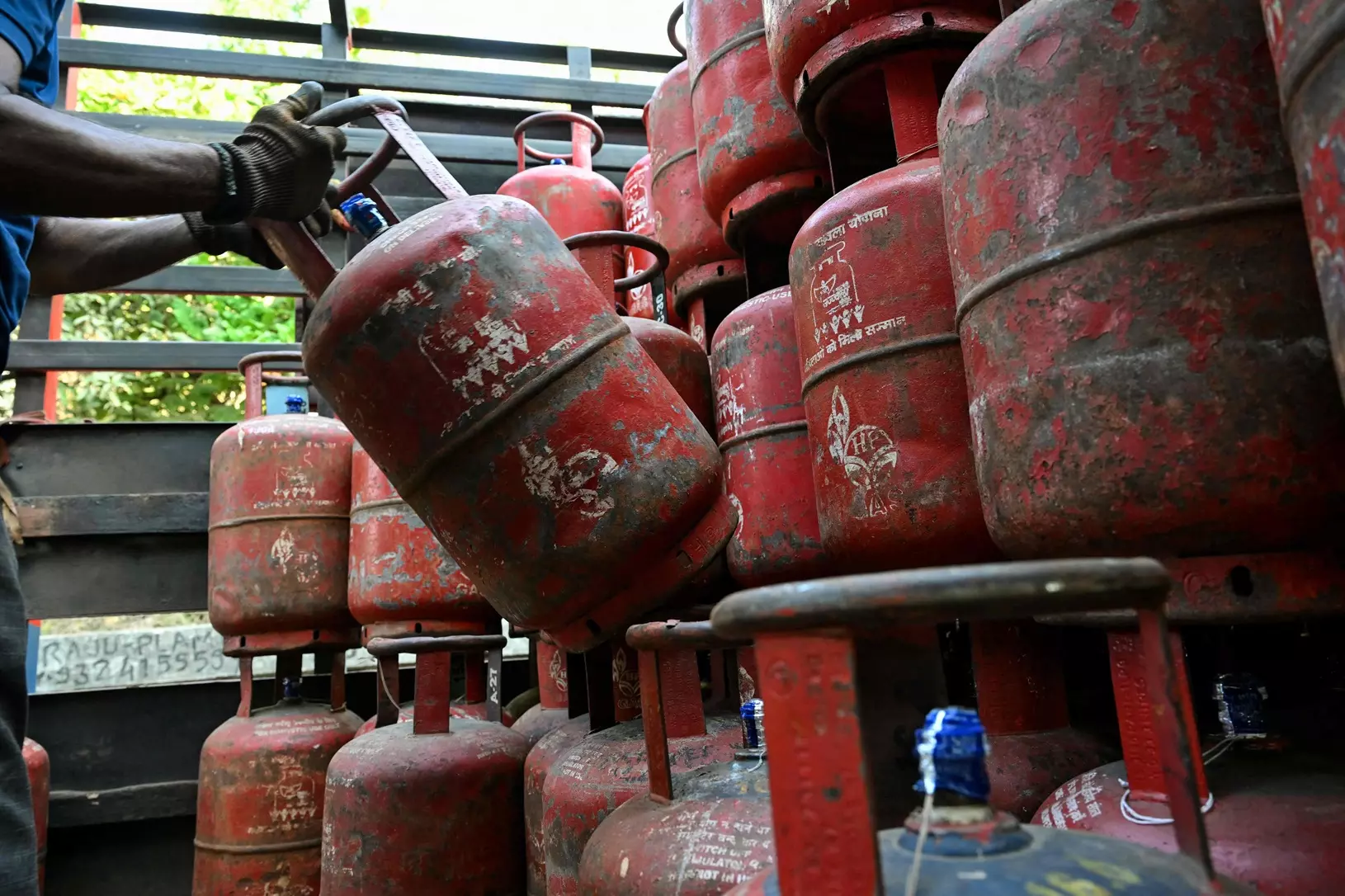
- Restaurants and catering services are grappling with LPG shortages
- Air-conditioner manufacturing is hit just before peak summer demand
- Automobile production is facing higher component costs and supply issues