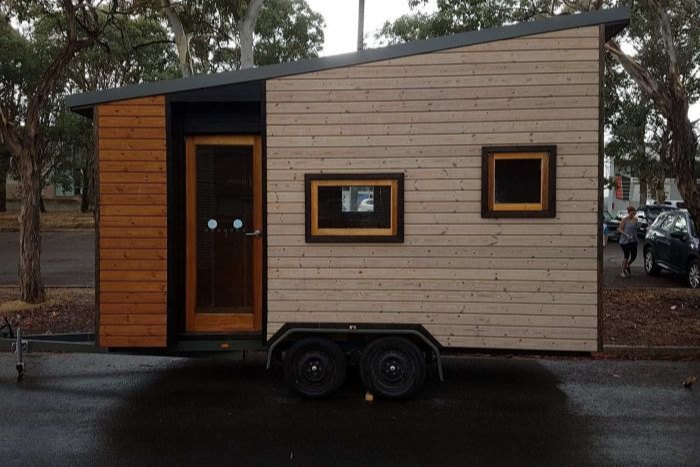
Caravan tourism is steadily gaining traction in India, as a growing group of travellers swaps hotels and tightly planned itineraries for the freedom of the open road. Instead of fixed schedules and room service, they’re choosing spontaneity, flexibility, and immersive experiences.
Just after sunrise near Igatpuri, along the winding ridges of the Sahyadri hills, Vaibhav Surve steps out of his caravan barefoot. There’s no lobby or buffet line—just rolling hills, birdsong, and a quiet morning unfolding at its own pace. “You wake up to nature in its purest form,” he says. “That’s something a hotel can’t replicate.”
Across the country, caravan tourism—long popular globally—is finding fresh appeal, especially among urban travellers from Maharashtra. These explorers are moving away from crowded resorts and curated packages, embracing slower, self-directed journeys.
From coastal drives along the Konkan coast to forest escapes in Tadoba Andhari Tiger Reserve and scenic routes through Goa’s ghats, caravans offer something rare: complete control over travel. Routes, stops, and schedules are entirely up to the traveller. Renting a caravan typically costs between ₹12,000 and ₹15,000 per day—pricey, but increasingly popular among those who value independence.
Quiet growth despite limited push
This rising interest comes despite limited promotion by authorities. While policies and incentives exist, awareness is largely driven by social media, word of mouth, and early adopters.
Mumbai, in particular, is emerging as a key hub for caravan travel. Operators say demand spans a wide audience—from young professionals seeking hassle-free road trips to families prioritising comfort and hygiene, and even senior citizens who value having essential amenities close at hand. Women travellers and pet owners, often overlooked by traditional tourism options, are also finding caravans especially appealing.
Why Maharashtra stands out
With its 720-km coastline, forests, heritage towns, hill ranges, and strong highway network, Maharashtra is well-suited for caravan tourism. Before the pandemic, the state recorded over 12 crore visitors annually, indicating strong potential for growth in this niche segment.
Industry estimates suggest that even tapping 1% of this market could require over 1,700 caravans and generate hundreds of crores in rental revenue. While the state government has introduced a caravan tourism policy to attract investment, industry players say execution remains inconsistent, leaving much of the growth to private initiatives.
Infrastructure and funding hurdles
Private operators are expanding services, but challenges remain. Access to financing is still limited, making it difficult to scale operations or build supporting infrastructure like designated parking sites with water, power, and waste disposal facilities.
Some companies are working to bridge this gap by developing networks of safe, scenic parking spots near lakes, beaches, forests, and heritage sites—aimed at making caravan travel more accessible and sustainable.
Beyond Maharashtra
Interest in caravan travel is also growing in Rajasthan, where travellers are drawn to its deserts, culture, and open landscapes. Experiences range from camping under star-lit skies in the Thar Desert to exploring historic towns like Jaisalmer, often blending road travel with local culture, cuisine, and traditions.
A shift in how India travels
Private players are investing in the sector through infrastructure projects, booking platforms, and entrepreneurship programmes aimed at turning caravan tourism into a structured industry rather than a niche trend.
Yet, for many travellers, the appeal remains deeply personal. Caravan journeys are less about ticking off destinations and more about the experience—waking up to changing landscapes, sharing meals outdoors, and travelling at one’s own rhythm.
In a world of fast, packaged tourism, caravan travel is quietly offering an alternative: slower, more flexible, and deeply connected to the journey itself.