The administration of Donald Trump is preparing to significantly expand efforts to revoke citizenship obtained through fraud, with 384 foreign-born Americans identified as potential candidates for denaturalization, according to a report by The New York Times.
The report says senior officials from the United States Department of Justice informed colleagues that civil litigators across 39 regional offices may soon be assigned to pursue these cases. The individuals identified have not been publicly named, and details of how they were selected remain unclear.
A Justice Department spokesperson, Matthew Tragesser, said authorities are pursuing “the highest volume of denaturalization referrals in history,” with cases being referred by the Department of Homeland Security.
What is denaturalization?
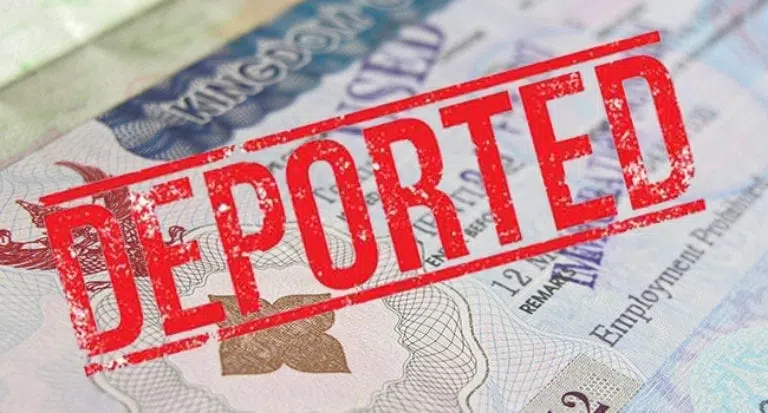
Denaturalization is the legal process through which citizenship is revoked from individuals who previously acquired it through naturalization.
Foreign-born individuals can become US citizens after meeting specific eligibility criteria. However, under federal law, citizenship may be withdrawn if it was obtained fraudulently—such as through sham marriages or by concealing disqualifying information. In some cases, serious criminal activity can also trigger proceedings.
Unlike citizenship by birth, naturalized citizenship can be challenged in court. The government must present evidence before a federal judge, making the process relatively rare and often time-consuming.
Push for higher case volume
The report indicates a broader push to accelerate denaturalization efforts. In 2025, officials reportedly asked United States Citizenship and Immigration Services to refer between 100 and 200 cases per month to the Justice Department starting in fiscal 2026.
Recent figures highlight the scale of the proposed expansion:
- In 2025, 13 cases were pursued, with eight successful outcomes
- During Trump’s first term, about 100 cases were filed over four years
- Under Joe Biden, around 24 cases were filed
What happens next
While the plan is not yet officially confirmed, officials appear to be laying the groundwork for a significant increase in denaturalization proceedings.
If implemented, it could mark one of the most aggressive uses of this legal mechanism in US history, with potential implications for immigration policy and legal scrutiny in the months ahead.