Oil prices surged more than 9% on Thursday, climbing back above $100 a barrel after fresh strikes on energy infrastructure in the Middle East heightened fears of major supply disruptions. The rally came despite a record release of crude from strategic reserves aimed at stabilising markets.
Brent crude jumped 9.3% to $100.50 per barrel, while West Texas Intermediate (WTI) rose 8.8% to $94.92 at around 0305 GMT.
Earlier in the session, at about 0100 GMT, Brent was already up 7.2% at $98.60 per barrel, while WTI had gained 6.5% to $92.96 as escalating tensions in the Middle East continued to rattle global energy markets.
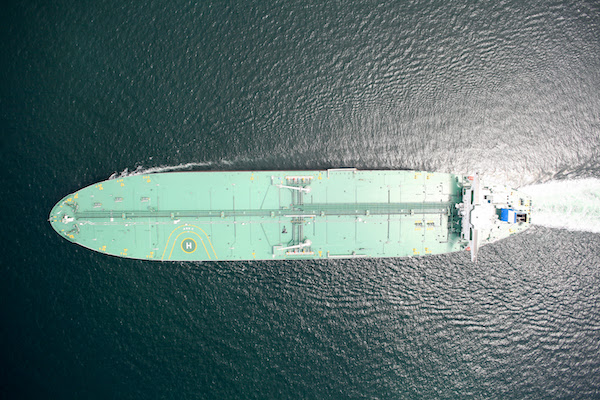
Concerns intensified after attacks on oil tankers raised fears that the conflict could disrupt global crude flows. Videos circulating online showed vessels engulfed in flames, while Iraqi media attributed the strikes to Iran. The attacks come as the conflict entered its 13th consecutive day on Thursday, with no clear signs of de-escalation.
Strategic reserves tapped to calm markets
The surge in oil prices came despite coordinated efforts by governments and energy agencies to boost supply and stabilise markets.
The US Department of Energy said on Wednesday it would release 172 million barrels of crude from the Strategic Petroleum Reserve starting next week. However, the supply will take time to reach markets, with deliveries expected to take around 120 days based on planned discharge rates, according to a post on X.
US President Donald Trump also indicated that Washington could tap emergency reserves to help bring prices down.
“Right now we’ll reduce it a little bit and that brings the prices down,” Trump said in an interview with Local 12 television in Cincinnati, Ohio, when asked whether he would use the Strategic Petroleum Reserve.
The International Energy Agency (IEA) said its member countries had agreed to release 400 million barrels of oil from emergency reserves — the largest coordinated release ever.
According to AP, the Paris-based agency will make the oil available from members’ strategic reserves, far exceeding the 182.7 million barrels released in 2022 after Russia’s invasion of Ukraine.
Other major economies have also joined the effort. Japan said it could begin releasing oil from its reserves as early as Monday, while Germany has also announced plans to release supplies, though it has not specified a timeline.
Iran conflict disrupts key oil route
The volatility in oil markets comes amid escalating tensions in the Middle East following attacks involving Iran, the United States and Israel. Iran has retaliated against US and Israeli strikes that began on February 28, launching attacks across the oil-rich Gulf region.
The conflict has also effectively shut down the critical Strait of Hormuz, a vital shipping route for global energy supplies.
Nearly 20% of the world’s oil trade normally passes through the narrow waterway connecting the Persian Gulf with the Gulf of Oman. However, tanker traffic through the strait has been severely disrupted due to threats of missile and drone attacks.
Oil briefly surged above $100
Oil prices had already spiked earlier this week as fears of supply disruptions gripped global markets. Brent crude briefly surged to $120 per barrel before easing back to around $102 on Monday.
The rally was further fuelled by reports that Saudi Arabia was cutting output, adding pressure on supplies already strained by disruptions in the Strait of Hormuz.
The waterway remains one of the world’s most critical energy chokepoints, serving as the main export route for crude oil from Gulf producers to international markets.