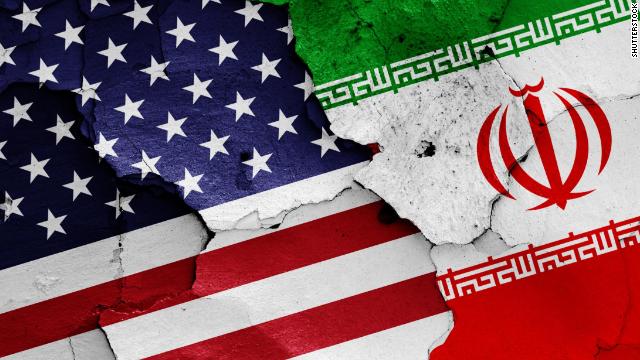
Pakistan has been invited to take part in upcoming talks between Iran and the United States aimed at easing bilateral tensions. The meeting is expected to be held in Turkey.
Confirming the development, Pakistan’s foreign office spokesperson Tahir Andrabi said that Islamabad had received a formal invitation for the talks. He added that Deputy Prime Minister and Foreign Minister Ishaq Dar is likely to attend, underlining the importance of Pakistan’s participation.
An Arab official, speaking anonymously to Agence France-Presse, said the meeting is likely to take place in Istanbul, though the exact format remains unclear. A regional official said the main objective of the talks would be to prevent conflict and de-escalate tensions between Washington and Tehran.
Besides Pakistan, countries invited at the foreign ministers’ level reportedly include Saudi Arabia, Qatar, Egypt, Oman, and the United Arab Emirates.
Focus on the Nuclear Issue
Iran’s Foreign Minister Abbas Araghchi is expected to meet US envoy Steve Witkoff in Istanbul to discuss a possible agreement on Iran’s nuclear programme.
Iranian President Masoud Pezeshkian has said he instructed Araghchi to pursue “fair and equitable negotiations” in an atmosphere “free from threats and unreasonable expectations.” He stressed that the talks would be conducted within the framework of Iran’s national interests.
Signals from Washington and Tehran
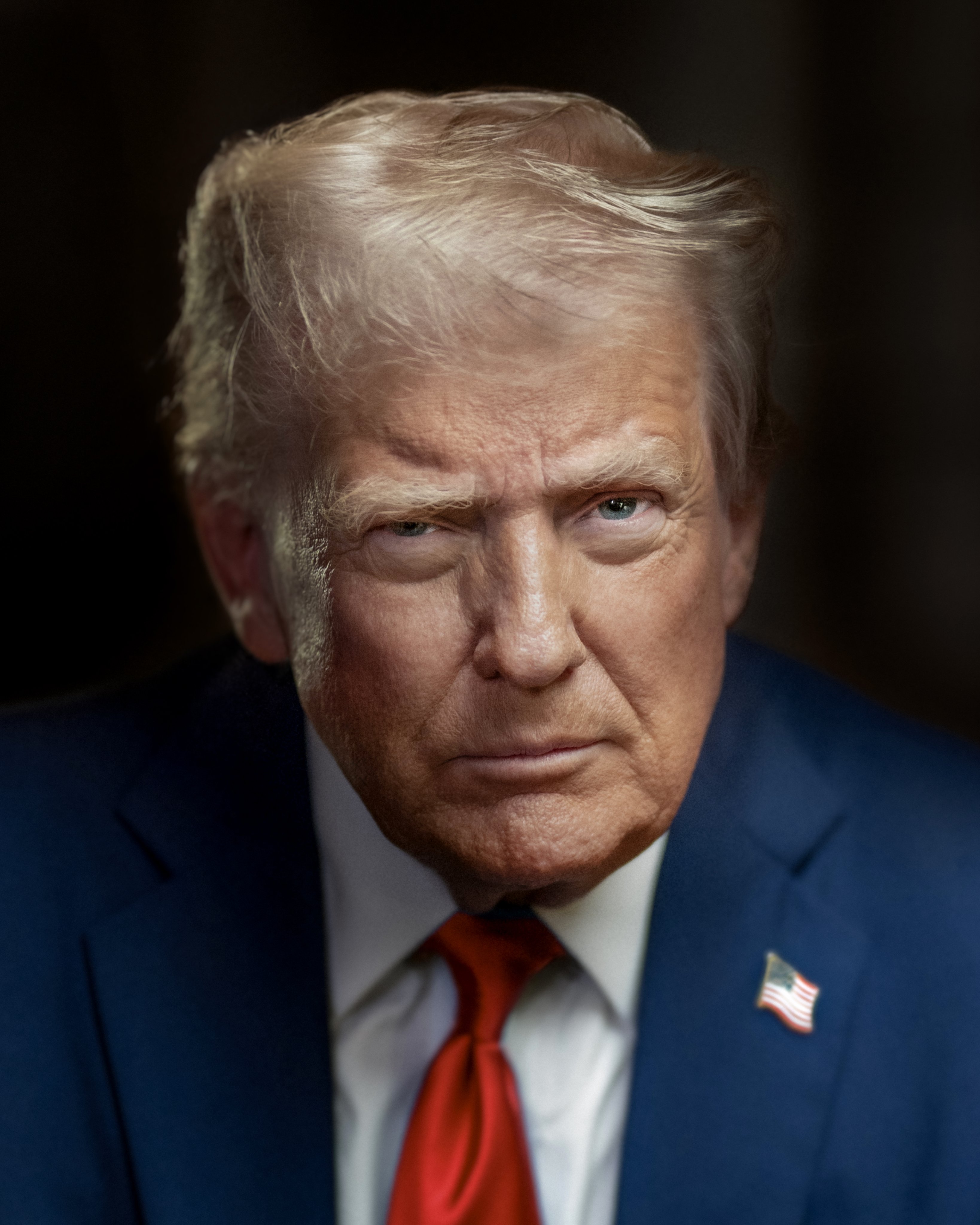
US President Donald Trump has expressed hope that Washington and Tehran can reach an agreement, while warning that “bad things would happen” if diplomacy failed.
In an interview, Araghchi said Iran fully agreed with Trump’s stance against nuclear weapons. “That could be a very good deal,” he said, adding that Tehran expects sanctions relief in return. He also warned that Iran is prepared for war if talks collapse, noting that any conflict could spread beyond its borders.
Regional Diplomatic Efforts
Turkey has been leading regional efforts to defuse tensions, with Araghchi holding consultations in Istanbul and engaging counterparts in Egypt, Saudi Arabia, and Jordan.
Meanwhile, Saudi Arabia and the UAE have assured Iran that their airspace and territory will not be used for military action, while Jordan has said it will not serve as a “launching pad” for any attack.
Officials say the planned talks reflect growing regional concern over the risk of escalation and underline efforts to revive diplomacy between Iran and the United States.