NEW DELHI: As Prime Minister Narendra Modi landed in Tel Aviv on Wednesday, India and Israel are poised to elevate their defence partnership with a landmark Memorandum of Understanding (MoU) centred on advanced technology transfer rather than outright weapons sales.
Addressing the Knesset, Modi underlined the strategic importance of bilateral ties, saying that in today’s uncertain world, a strong defence partnership between trusted partners like India and Israel is vital.
Focus on tech transfer
Unlike previous deals, the proposed MoU is expected to prioritise transfer of cutting-edge technologies for exclusive weapons systems that Israel has rarely shared with other nations. According to Israeli media reports, the cooperation is likely to have two key pillars — defensive systems and offensive weapon platforms.
Defensive systems
Talks are expected to cover:
- Israel Aerospace Industries’ Arrow missile defence system
- Rafael Advanced Defense Systems’ David’s Sling (medium-range missile and drone interceptor up to 300 km)
- Iron Dome (short-range rocket interceptor, 4–70 km range)
- Iron Beam, a 100-kW laser-based air defence system developed by Rafael and Elbit Systems, capable of neutralising aerial threats up to 10 km
India already operates Russia’s S-400 system, Israeli-developed Barak missiles and the indigenous Akash system, but seeks additional layers of protection to secure its 15,000+ km land borders and extensive coastline.
Offensive platforms
On the offensive side, discussions are likely to include:
- Rafael’s SPICE 1000 precision guidance kits
- Elbit’s Rampage air-to-ground missiles
- IAI’s Air LORA supersonic ballistic missile
- The Ice Breaker naval cruise missile
By comparison, India’s BrahMos travels at around Mach 3 and is regarded as one of the fastest operational supersonic cruise missiles globally.
Iron Beam, in particular, is being viewed as a cost-effective addition to India’s air defence grid, with each laser interception reportedly costing just a few dollars per shot.
Broader strategic alignment
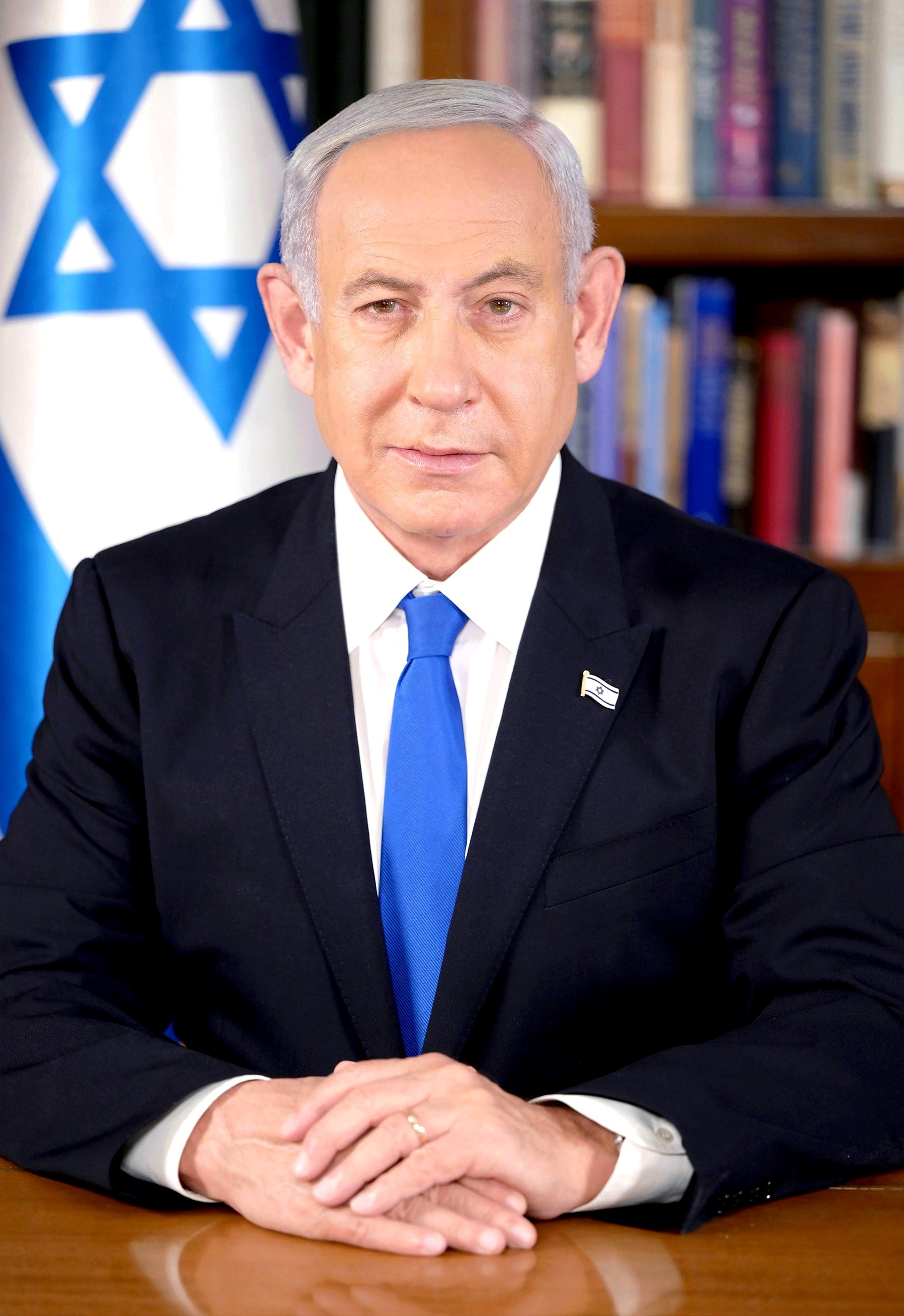
Beyond defence procurement, a wider security alignment could also be announced. Israeli Prime Minister Benjamin Netanyahu recently spoke of envisioning India as part of a broader “hexagon of alliances” around the Middle East, potentially including Arab, African, Mediterranean (such as Greece and Cyprus) and Asian nations.
The proposed alignment is aimed at countering what Netanyahu described as “radical axes” in the region.
If concluded, the MoU would mark one of the most significant expansions of India–Israel strategic cooperation in recent years, deepening collaboration not just in defence procurement but in high-end military technology and joint capability development.