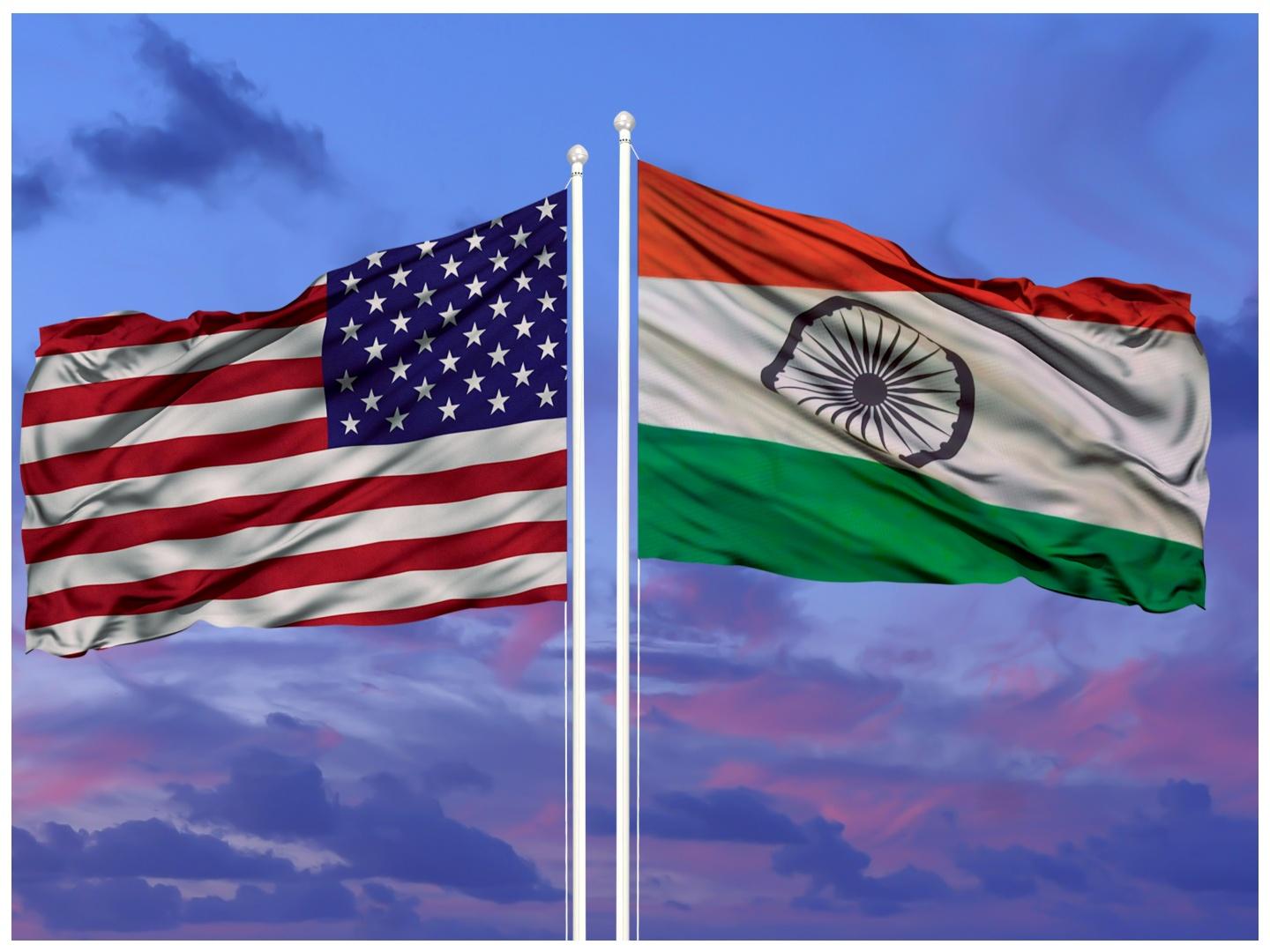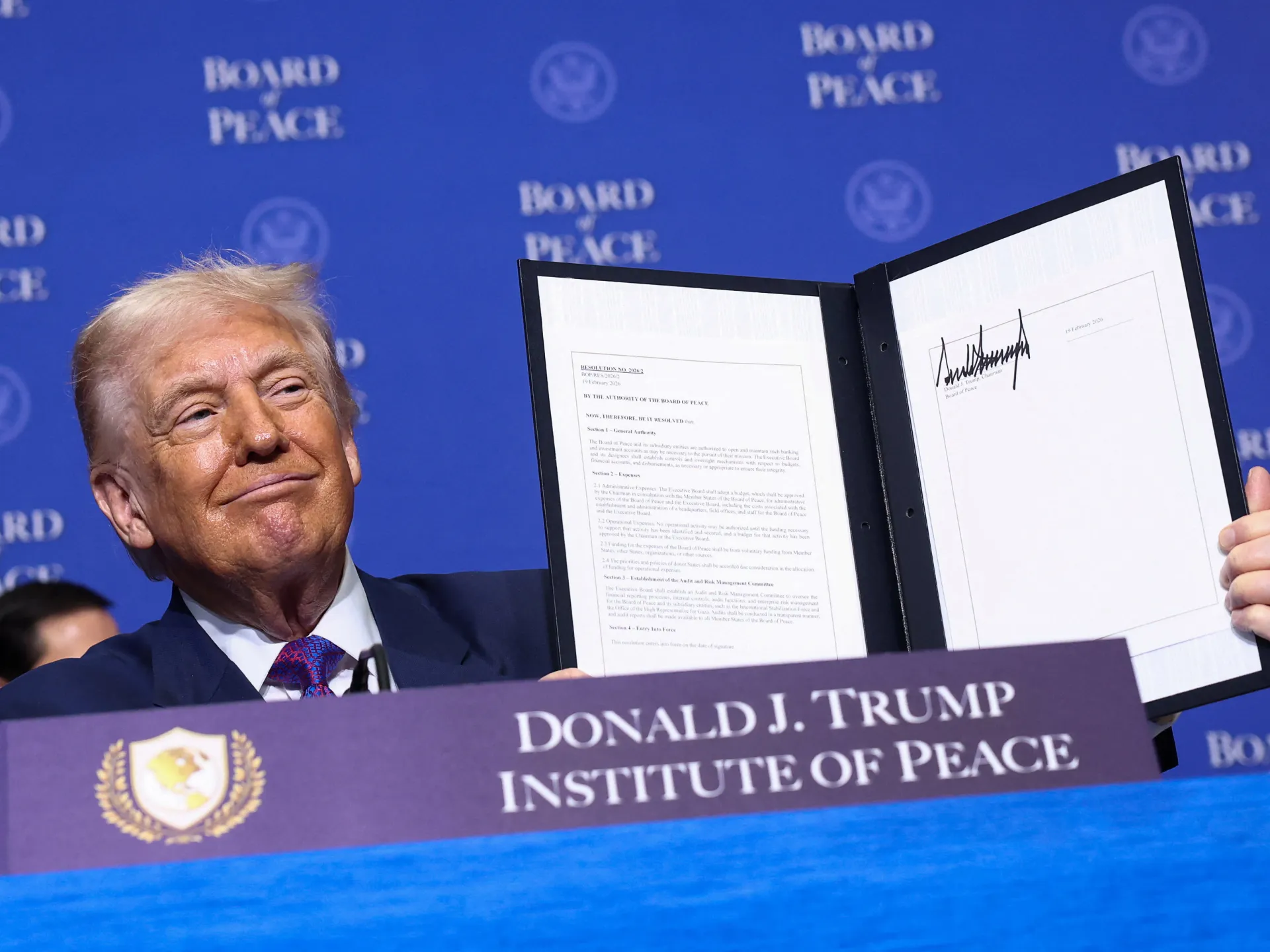
NEW DELHI: India on Thursday participated as an “observer” in the inaugural meeting of US President Donald Trump’s proposed Gaza Peace Board, maintaining a cautious distance from formally joining the initiative aimed at redeveloping the Gaza Strip.
The meeting was held at the Donald J Trump Institute of Peace in Washington, DC, and India was represented by Chargé d'affaires at the Indian Embassy, Namgya Khampa, PTI reported.
President Trump announced a $10 billion commitment from the United States to establish the new “Board of Peace,” which is intended to oversee the reconstruction of Gaza after two years of devastating conflict between Hamas and Israel left much of the territory in ruins. Under the proposed structure, Trump would retain veto power over the board’s decisions and could continue as its head even after leaving office. Countries seeking permanent membership, instead of a renewable two-year term, would be required to contribute $1 billion.
According to Trump, the board currently includes 27 member nations, among them Argentina, Armenia, Azerbaijan, Hungary, Pakistan, Saudi Arabia, and the UAE.
Prime Minister Narendra Modi was among several global leaders invited by the US President to join the initiative, which was unveiled during the second phase of the ceasefire agreement between Israel and Hamas in Gaza.
India was not present at the January 22 ceremony in Davos where Trump first introduced the Board of Peace, describing it as a platform that could work toward lasting peace in Gaza and potentially address other global conflicts. The initiative is widely viewed as a parallel structure to the United Nations. Trump has previously suggested that the Board of Peace “might” replace the UN, arguing that the organisation has failed to meet its potential.
The executive board, finalised on January 17, includes a mix of diplomats and financial leaders such as US Secretary of State Marco Rubio, Jared Kushner, and World Bank President Ajay Banga.
While Washington has outlined an initial $1 billion reconstruction package focused on housing and infrastructure, the release of funds is expected to be contingent on meeting specified security conditions.