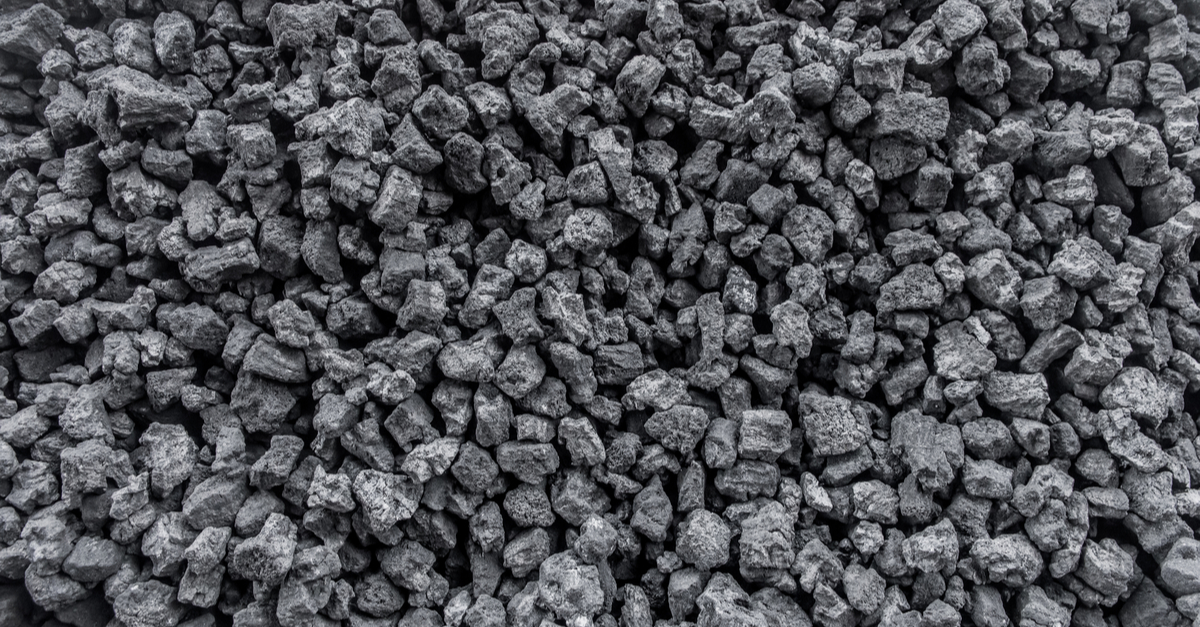
New Delhi: In a move aimed at reducing import dependence and boosting domestic production, the government on Thursday notified coking coal as a “critical and strategic mineral” to fast-track exploration and mining, including of deep-seated deposits.
The decision follows recommendations of the High-Level Committee on Implementation of Viksit Bharat Goals and policy inputs from NITI Aayog, which highlighted the strategic importance of coking coal in ensuring mineral security and meeting the growing needs of the domestic steel industry.
Officials said India has an estimated 37.4 billion tonnes of coking coal resources, primarily in Jharkhand, with additional deposits in Madhya Pradesh, West Bengal and Chhattisgarh. However, despite substantial domestic reserves, India remains heavily dependent on imports. Coking coal imports rose from 51.2 million tonnes in 2020–21 to 57.6 million tonnes in 2024–25, accounting for nearly 95% of the steel sector’s requirement.
To curb this dependence, coal—including coking coal—has been included in Part D of the First Schedule of the Mines and Minerals (Development and Regulation) Act, 1957, which covers critical and strategic minerals.
Under the revised framework, mining of critical minerals is exempt from public consultation requirements and allows the use of degraded forest land for compensatory afforestation—steps expected to attract greater private sector participation.
The reform is expected to strengthen supply-chain resilience for the steel sector, reduce imports and support the objectives of the National Steel Policy. It is also likely to spur private investment in exploration and beneficiation, encourage the adoption of advanced mining technologies, and generate employment across the mining, logistics and steel value chain.